


Why Senior Citizens Shouldn't Ignore Hearing Loss

As we grow older, we often notice changes in our vision, mobility, and overall health. One change that often happens gradually—and is frequently overlooked—is hearing loss. Many seniors assume that difficulty hearing conversations, television programs, or phone calls is simply a normal part of aging. While age-related hearing loss is common, it doesn't mean you have to live with it. Modern hearing aids can help senior citizens stay connected, active, and engaged in everyday life. In fact, addressing hearing loss early can significantly improve overall well-being and quality of life.
Hearing Loss Is Common Among Seniors
Age-related hearing loss, also known as presbycusis, affects millions of older adults. According to the National Institute on Deafness and Other Communication Disorders (NIDCD), about one in three adults between ages 65 and 74 has hearing loss, and nearly half of adults over age 75 experience difficulty hearing. Because hearing loss often develops gradually, many seniors don't realize how much they're missing until communication becomes difficult.
Signs You May Need Hearing Aids
Hearing loss doesn't always mean sounds become completely inaudible. Often, it affects clarity more than volume.
Common signs include:
Frequently asking people to repeat themselves
Difficulty understanding conversations in restaurants or groups
Turning the television volume higher than others prefer
Trouble hearing on the phone
Missing doorbells, alarms, or notifications
Feeling exhausted after conversations because of listening effort
If these situations sound familiar, a hearing evaluation may be beneficial.
The Impact of Untreated Hearing Loss
Many seniors delay seeking treatment because they believe hearing loss is a minor inconvenience. However, untreated hearing loss can affect much more than hearing alone.
Research shows that hearing loss can make it harder to communicate with family and friends, leading to frustration and social isolation. It may also affect a person's ability to hear important warnings, medical instructions, and everyday sounds. The American Academy of Audiology notes that untreated hearing loss has been associated with decreased quality of life, social difficulties, anxiety, and other emotional challenges.
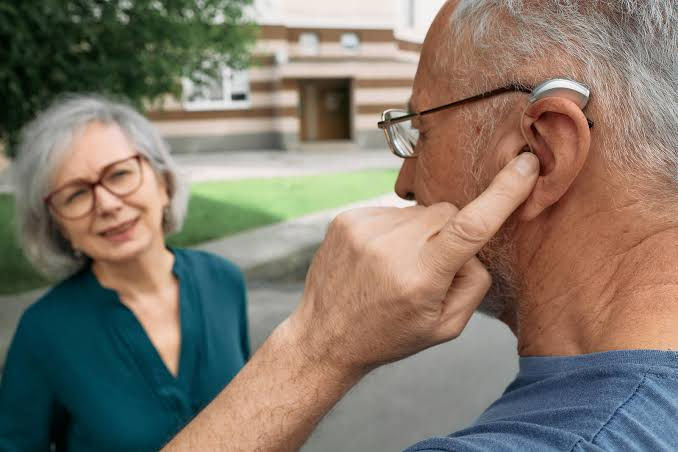
How Hearing Aids Can Help
Modern hearing aids do much more than simply make sounds louder.
Today's devices can help seniors:
Understand conversations more clearly
Participate more confidently in social activities
Hear television and phone calls better
Improve communication with loved ones
Stay aware of important environmental sounds
Reduce listening fatigue
Hearing aids are the most common treatment for age-related hearing loss and can significantly improve daily communication.
Better Hearing Can Support an Active Lifestyle
Many seniors enjoy spending time with family, attending community events, traveling, volunteering, or participating in hobbies. Hearing loss can sometimes make these activities less enjoyable. With properly fitted hearing aids, many people find it easier to engage in conversations and enjoy social situations again. Research indicates that hearing aids can improve participation in everyday life and listening ability for adults with hearing loss.
Whether you're attending a grandchild's school event, meeting friends for lunch, or enjoying a favorite hobby, better hearing can help you stay connected to the moments that matter most.
Modern Hearing Aids Are More Comfortable Than Ever
Many seniors are surprised by how much hearing aid technology has advanced.
Modern hearing aids often feature:
Rechargeable batteries
Bluetooth connectivity
Smartphone compatibility
Automatic sound adjustments
Noise reduction technology
Small, discreet designs
Today's hearing aids are designed to fit comfortably into everyday life while providing clearer, more natural sound.
Addressing Hearing Loss Early Matters
Experts recommend addressing hearing loss as soon as it begins affecting daily life. Early treatment can make the adjustment process easier and help individuals maintain effective communication habits. Some research has also suggested that treating hearing loss may support cognitive health in certain older adults at higher risk of cognitive decline.

Take the First Step Toward Better Hearing
Growing older doesn't mean giving up the sounds you love. Conversations with family, laughter with friends, music, television, and everyday moments all contribute to a fulfilling life. If you or a loved one has been struggling to hear clearly, hearing aids may provide the solution needed to stay active, independent, and connected. At Beltone Hearing Aid Centers, our hearing care professionals are dedicated to helping seniors find personalized hearing solutions that fit their lifestyle and hearing needs. Through comprehensive hearing evaluations, customized fittings, and ongoing support, we're here to help you hear your best.


Comments